

introduction
Many people I know, including myself, suffer from some kind of nutritional disease or intolerance. In my case, this is a lactose intolerance (apparently) as well as suffering from acid reflux. The latter can be controlled quite well with avoiding specific foods (spicy, fatty, acidic, alcohol etc.) and eating habits (not too big portions, eat several times a day, don’t eat too late, and so on). But I always wondered what would be the best foods for a long and healthy lifestyle. Looking into this online by browsing podcasts, webpages and blogs, one mostly finds the common recommendations that we all have heard of: eat healthy (?), eat well-balanced, eat fruits and vegetables, eat fibre, eat protein, don’t eat too much fat, not too much sugar – you name it. Some are even contradictory: eat more fat, don’t eat carbs, do fasting/don’t fast, eat fish/don’t eat fish (mercury)….
Those recommendations work well for people who don’t have any guidelines to follow, those who have lunch at Mc XXX or Burger XXXX and hydrate on XXL soft drinks.
But if you really want to know what is good for you, the best you can do is reading actual scientific studies – and this is where it gets very, very messy and confusing. You’ll probably be able to find ten studies that claim this, and ten other studies that claim the exact opposite. Other problems are that the statistics are often very weak, simply put, not enough test subjects are being evaluated; or that the studies are interest-oriented (or economic oriented) and usually financed by the profiteers instead of being neutral. An example is the vast branch of dairy products, with studies mostly financed by the dairy industry.

Luckily, the author and scientific journalist Bas Kast derived conclusions from more than 1000 scientific studies and meta studies (by his own account) over several years and put them down in his book “Der Ernährungskompass” or “The diet compass“:
Bas Kast collapsed with heart problems in the age of 40 (which originally became noticeable during running workouts), which made him wonder whether his unhealthy lifestyle – composed of junk food and stress – had ruined his body? He intensively looked into the latest research on the effects of food and nutrition, which, by his own account, covered more than 1000 studies. He hoped being able to treat his own health problems to their disappearance – successfully!
I wanted to put down a little summary of Kast’s book in order to have a little look-up table to remind myself of what to pay special attention to and what to avoid – some of which is well known but many other things are less trivial, and even some of what we think would be healthy, actually is rather harmful.
In his book, Kast goes after answering those key questions:
What does it really mean to be healthy?
What do people eat who live longer and better?
How can you lose weight successfully?
Is it possible to avoid the regular old age illnesses?
Is it possible to stop or slow down the ageing process based on what we eat?
To cite Kast:
»It’s not just about living longer, but also and above all being healthy. (“compression of morbidity”.) «
Below, the main food groups we know are subdivided into healthy, neutral and unhealthy food groups, with more detailed explanations below for most of them. This is followed by a discussion on general relationships between our body and different food types, which are important for understanding a healthy diet and food intake. The last part goes a bit more into detail regarding the effects that sugar has on our body, with a short summary on suggestions for improvement:
1. Healthy, neutral and unhealthy food groups
2. Important relationships
3. Summary on sugar
Healthy, neutral and unhealthy food groups
Food groups classified as protective against diseases and ageing:
- Fruits
- Whole grain products
- Legumes (chickpeas, peas, lentils, beans, etc.)
- Nuts
- Seeds
- Fermented dairy products (yoghurt, cheese)
Food groups classified as neutral with regard to development of diseases and ageing:
- Tee / coffee
- Wine
- Milk and non-fermented dairy products
- Vegetables
- Eggs
- Poultry
- Fish
Food group classified as harmful:
- Red and processed meat (bacon, sausage, etc. Pork is also red meat.)
FRUITS
are only healthy if the whole ‘intact’ fruit is eaten in order to compensate the increase in blood sugar with the fibre content of the food; i.e., smoothies are just okay, but fruit juices are critical. Problematic with fruits are their fructose content, which becomes bad for your health above a certain content that is usually always reached with juices. If the intact fruit is eaten, the other ingredients take care that the blood sugar is only slowly absorbed.

WHOLE GRAIN PRODUCTS
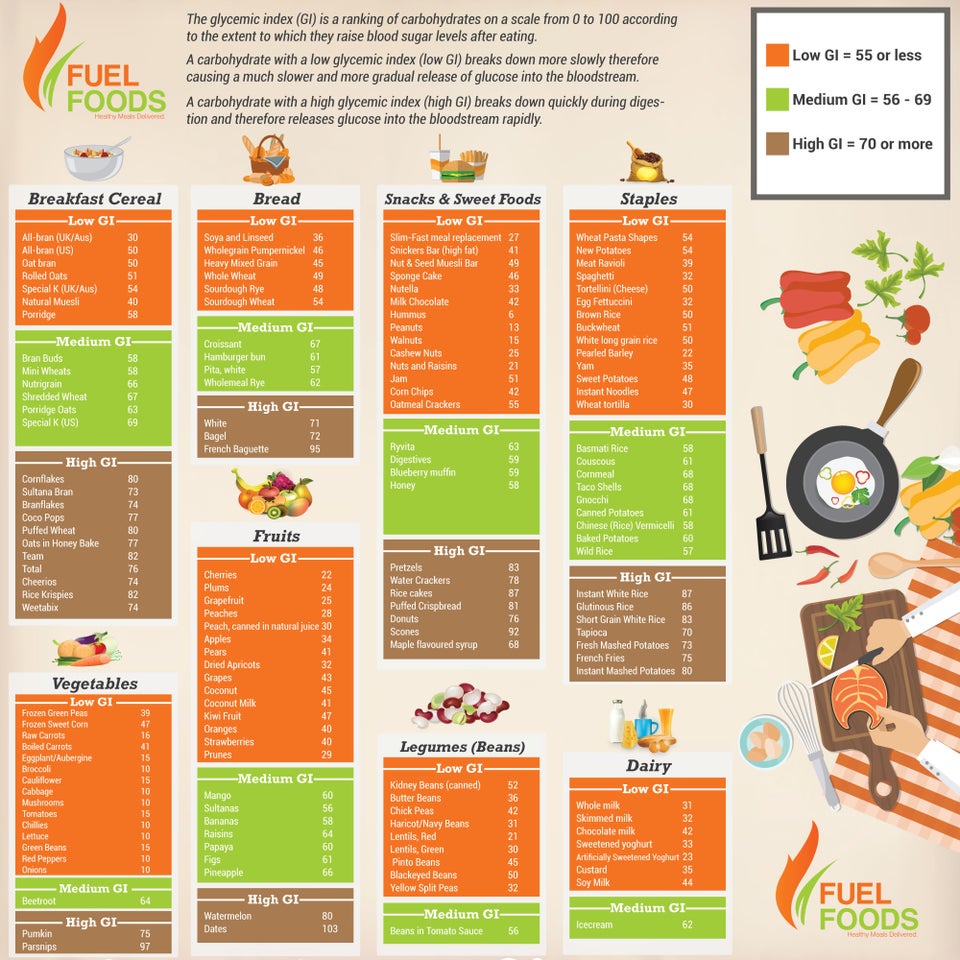
are pretty high up on the ranking of healthy foods, mainly because of their rich dietary fibre content. Taking rice as an example, the difference between white and brown rice is just based on its processing before consumption (or better to say, before delivery to the supermarkets). While brown rice includes the whole grain, white rice has had the bran and germ removed, which contain the highest nutritional values of the grain (see illustration of wheat kernel). Therefore, brown rice provides more fibre, vitamins, and minerals than white rice. Beside that (and also because of that) white rice has a much higher glycemic index, leading to a very fast rise of blood sugar and insulin release (that has been shown to be linked to an increased risk of diabetes). Find more details here.
FILTER COFFEE
reduces mortality. Coffee consists of life prolonging and life shortening substances, on which the coffee filter seems to act also as a ‘life prolonging filter’, holding back life shortening substances. However, those get through into your cup with turkish Mokka, french press, and even Espresso….
WINE
is only beneficial if you are above 50 years old and (obviously) if you drink in moderation (one drink a day). (keeps the doctor away…)
DAIRY
should not be looked at as a single group, as both exist life prolonging and life shortening products. Beneficial are fermented products such as yoghurt and cheese (yess!). (through fermentation parts of the milk get pre-digested by bacteria)
MILK
in itself does not seem to be a good food:
»Milk lovers have a 32 percent increased mortality risk compared to people who are reluctant to take milk.«
CHEESE
contains Spermidine, which is a longevity agent due to various mechanisms; for example, autophagy removes unnecessary or dysfunctional components in the human cells, but other beneficial mechanisms have been found as well including inflammation reduction, lipid metabolism, and regulation of cell growth. Good sources of spermidine are aged cheese, mushrooms, soy products, legumes, corn, and whole grains (source); it is also plentiful in the mediterranean diet (source).
»People who eat plenty of spermidine-rich foods are likely to have a 40 percent lower risk of fatal heart failure.«
Obviously, VEGETABLES
are generally good for your health. Only potatoes should be seen with a critical eye and not be consumed in great quantities because of their high glycemic index, which leads to an extremely high rise in blood sugar after consumption (for comparison, peeled white/yellow potatoes have a glycemic index similar to that of glucose or corn syrup).
Only fatty FISH
is good for your health (for example, Salmon, tuna, trout, sardine) as they contain polyunsaturated fats. Monounsaturated (ω−7 and ω−9) and polyunsaturated (ω−3 and ω−6) are often referred to as good fats, while saturated fat and trans fat should be avoided.
RED MEAT
comes with the downside that it seems containing substances, which enhance cell growth in our bodies; In mid-aged adults (40-65) this is not desirable as it may enhance tumour growth and ageing.
»If you eat certain proteins diligently in middle years, you die earlier. The mortality risk is increased by 74 percent, the cancer risk is even four times higher.«
SOFTDRINKS
could be divided into fruit juices and actual soft drinks. While fruit juices are just bad for your health because of their high content in fruit sugar, soft drinks can be rated as very bad as their content in simple sugars is by magnitudes higher.
»If you cover more than 25 percent of your calorie intake with added sugars, your mortality risk is three times higher. Covering 10-25 percent of the calories with added sugars, the mortality risk is increased by 30 percent.«
Important relationships
But even more important than knowing which foods are (not) good for you, the book also discusses general relationships, which are important for understanding a healthy diet and food intake:
1. The protein effect
2. Low-carb vs Low-fat
3. Sugar and starch
The protein effect

Already at school we learned about the three main nutrients as being carbohydrates, proteins, and fats, from all of which our body can generate energy (also discussed here with details how this energy is being used when running). But only proteins can be used by our body to grow, build and repair tissue. The amino acids that the proteins are made of, are divided into essential and non-essential amino acids; and in the contrast to fat, carbohydrates and non-essential amino acids, the essential amino acids cannot be stored by our body.
This means, we can ‘run’ or ‘survive’ for quite a while on our fat stores, which in most of us ‘average’ cases would provide energy for several weeks of duration, but the essential proteins will have to be taken in through our food. It is therefore just logical that we’re hungry until our protein needs are met!
In fact, this has been experimentally confirmed:
People who ate low-protein foods stayed hungry longer and therefore, automatically consumed around 35 percent more calories.
If you eat protein-rich foods, you will get full more quickly and therefore automatically consume around 38 percent fewer calories.
However, be careful: As seen before, one shouldn’t eat as much red or processed meat – especially in one’s middle years. To get more protein on our plates, we should resort to fish, eggs, legumes, nuts and high-protein vegetables (broccoli, spinach, asparagus…).
Another word of advice: Processed foods are generally low in protein.
On the one hand, fat and carbohydrates are cheaper than proteins, on the other hand, the industry knows the protein effect – they know that the less protein a food contains, the more we eat. (The more we eat, the more they earn.)
Check out typical highly processed industrial foods at the supermarket on their protein content; take a random bag of potato chips for example. Those reach barely more than 4% of protein content of the total calories.
Low-carb vs Low-fat
Both camps believe they have solved the nutritional dilemma:
The advocates of a low-fat diet claim that only fat makes you fat.
Accordingly, low-carb supporters blame carbohydrates for the global obesity epidemic (see for example, Dr. Phil Maffetones website on this matter for some interesting information).
Kast actually dives deep into the biochemical details regarding both sides in his book, but this would go beyond the scope of this summary (and could probably provide enough material and room for discussion for another whole blog)! Therefore, only so much: Both sides are right and both sides are wrong (sorry, for this rather obvious but not very convenient answer).
And the reason is also as obvious: we all are indeed individuals and everyone responds differently to fat and carbohydrate intake. Some ride better with low-fat and others can only get slim and stay slim with low-carb (after some trial and error I believe the latter is true for me). The main message here may be: instead of blindly chasing after any food or diet guru, try to find out for yourself which foods work best for you to feel healthy and light instead of sluggish and heavy. It also is a good exercise to get to know your body a little more and find out what’s good for you, a thing that seems to be barely known by many people nowadays.
Still, the main reason we get fat is because we eat too much, and too much of the bad stuff. We saw before that the protein effect is partial to blame for why we eat too much and what we can do about it.
Sugar and starch
We have seen above that simple sugars, especially in the form of soft-drinks are terrible for your body’s response mainly (but not only) because of their high glycemic index. Low-carb advocates repeatedly claim that starch is just as harmful as sugar, since the starch molecules are broken down into their constituents – sugar molecules – soon after eating. That is true, but sugar is not just sugar.
While starch is 100% glucose, refined table sugar is made up of 50% glucose and 50% fructose. Fructose is metabolized differently from glucose, which is why starch and table sugar cannot be equated.
- After the glucose has been absorbed by the intestine, it circulates in the blood and is available to the body cells as a source of energy (any body cell can convert glucose into energy).
- Fructose, on the other hand, is mostly absorbed by the liver and converted into fatty acids.
- Starch is more filling than table sugar, which is why we run riot in the latter case.
This shows that fructose triggers a kind of archaic energy saving program in our body, and it switches into energy save mode. This is exactly what happens to us if we flush down fruit juices or coke all day long. And all this fructose is being stored as fat in our liver.
Kast explains this phenomenon based on the work of scientist Lewis Cantely, who has the hypothesis that this was a strategy evolution back in the day:
Most fruits are ripe by the end of the summer, which in most habitats meant that there won’t be much food available during the upcoming months – winter. Thus, it was just an advantage to convert fruit energy (fructose) into fat in order to feed on it during the next months. Cantely speculates further that it was essential for life to consume as much fructose as possible before winter set in – characterised (back then and today) by a solid sugar addiction.
Nowadays, the food industry has all incentive to enrich their products with sugar: it is one of the cheapest ingredients (especially fructose), and we’re addicted to it!
The different metabolism pathways of fructose and glucose have another consequence: Although, for example a coke, is highly energetic and full of sugar, only half of the sugar (the glucose) reaches the brain. The other half is being trapped in the liver and converted into fat. Just logic that the brain keeps asking for more sugar (glucose)…
Therefore, compared to conventional starch, the double amount of sugar is required to satisfy our control centre.
Summary on sugar
To briefly illustrate what cascade a huge sugar flush does with our body, Kast summarises the following points:
- A sugar-rich diet causes fatty degeneration of our liver, which is becoming insensitive towards the hormone insulin;
- The liver tries getting rid of the high fat amounts by transporting large fat molecules to our muscles, which likewise are building an insulin resistance;
- In turn to insulin resistance, the pancreas increases insulin production, leading to more and more insulin circulating in the blood stream –> the risk of adiposity, cancer, and other health troubles increases;
- More fat from the liver is being stored around the belly region, leading to harmful substances;
- The transporting particles filled with fat (point 2., very-low-density-lipoprotein or VLDL) break down to smaller LDL-particles (cholesterol), which pile up on the walls of our blood vessels –> increased risk for infarct / heart attack.
Having all this in mind, the idea is not to doom a whole nutrient group or to stamp the substance fructose as all evil. The problem are much more the unnatural quantities of our sugar consumption never known before that are proven to damage our body in the long term. If you start your day already with a orange juice and super-sweetened muesli, cake or cookies (croissants are very popular here in Belgium, not the ideal food either), continue lunch with a large cake, sugared yogurt or similar for dessert with a coke as drink, and finish-off your day with some candies, chocolate and the like…you get the point.
Of course, we are still encouraged to have a daily fruit intake. Whole fruits also contain large amounts of fructose, but – as mentioned before already – intact fruits (not pressed, squeezed, mashed) also contain substances that counteract the (rapid) absorption of fructose (e.g., dietary fibre). And also a piece of cake, an ice-cream, or creme brulee now and then are not a big problem. It is just recommendable to refrain from those on a daily basis and to refrain even more from sugary infusions. Ideal for our daily intake of vitamins (and natural ‘sweets’) are apples, pears, grapes, raisins and all sorts of berries. Perfect for a dessert dish in the evening: some natural (unsweetened) yogurt (also soy yogurt for the lactose intolerant readers, but be careful with added sugars) with nuts and berries (blueberries, blackberries, raspberries, strawberries).
This review represents the good-faith opinions of the author. The reviewed book was not provided to the the author for free or at a reduced price as an incentive to provide a review.
Many of the results propagated by Kast are coming from the following two meta-studies:
Review of all meta-studies between 1950 and 2013
Independent study on Nonfermented milk and other dairy products
A summary (in german) can also be found here:
https://www.habitgym.de/bas-kast-ernaehrungskompass/
A summary in English on Amazon
The Diet Compass: the 12-step guide to science-based nutrition for a healthier and longer life
 Fun.Run.Dad
